Blog
Why Tiles Sound Hollow and Fall Off - Causes, Repair Solutions, and Prevention Tips
Hollow-sounding or detached tiles usually point to bonding failure, movement stress, or weak installation practice, and the right fix depends on how widespread the problem is.
What This Guide Covers
Hollow-sounding or detached tiles usually point to bonding failure, movement stress, or weak installation practice, and the right fix depends on how widespread the problem is.
Read the Full Guide
What hollow-sounding tiles usually mean
When a tile sounds hollow under tapping, it usually means the adhesive bond is incomplete or has already started to fail. That does not always mean the tile will fall off today, but it does mean the installation is no longer behaving like a fully supported system.
For contractors, this is a bonding and movement issue first, not just a cosmetic complaint. The real question is whether the problem is isolated, spreading, or already severe enough to create a safety risk.
Main causes of hollow or loose tiles
Poor substrate preparation
Dust, laitance, oil, paint residue, or an overly smooth base can stop mortar or adhesive from gripping the surface. Even a strong adhesive cannot compensate for a contaminated substrate.
Incorrect tile preparation
- Glazed tiles that require soaking can pull water out of the mortar if they were not prepared correctly.
- Excess water left on the tile back can weaken the bond line.
- Release agent or powder left on the backside of the tile can create a separation layer between the tile and the adhesive.
Weak adhesive mix or bad application
- Incorrect sand-to-cement ratio or expired adhesive reduces bonding strength.
- Spot bonding leaves unsupported voids in the middle of the tile and often creates the classic hollow sound.
- Inadequate beating-in or compaction traps air and reduces full contact coverage.
Movement with no expansion joints
Tiles expand and contract with temperature swings, structural movement, and moisture change. If joints are too tight or missing, stress transfers into the tile bed and starts pushing the bond apart.
Early traffic before curing
Walking on the surface too soon or stacking heavy materials before the adhesive has cured can break the bond before the installation reaches its designed strength.
How to inspect the problem before deciding on a fix
Do not jump straight to replacement without checking the failure pattern. A quick inspection tells you whether you are dealing with one bad area or a system-wide installation defect.
- Tap across the surrounding area and mark every hollow section.
- Check for cracks, lippage, tenting, grout failure, or visible movement.
- Inspect the environment for moisture exposure, direct heat, or structural movement.
- Remove one failed tile when possible and inspect both the substrate and the backside for adhesive transfer.
Repair options based on severity
Localized hollow spots
If the tile is stable, uncracked, and the hollow area is limited, a localized repair strategy may be possible. The decision depends on tile size, location, moisture exposure, and whether the bond failure is still progressing.
Loose or falling tiles
Once tiles are moving, cracking, or detaching, removal and proper reinstallation is usually the safer path. The replacement process should correct the real failure point, not just put the same tile back into the same bad conditions.
Repeated failures across the area
Widespread hollow sound usually means the installation method was wrong from the start. In that case, patch repairs often become more expensive than dealing with the root problem comprehensively.
Prevention checklist for future installations
- Clean and mechanically prepare the substrate before any adhesive is mixed.
- Match the tile type with the correct adhesive system and water control method.
- Aim for full, even adhesive coverage instead of corner-and-center spot bonding.
- Beat in each tile properly so trapped air does not remain under the face.
- Leave movement joints where temperature change or structural movement requires them.
- Protect the installation until curing time is complete.
When this becomes a sourcing and specification issue
Installation quality matters most, but specification still influences outcomes. Consistent tile caliber, reliable backside texture, accurate technical data, and practical project support all reduce the risk of avoidable site failures.
If the next step is a new residential or commercial tile specification, treat this problem as both an installation lesson and a sourcing filter. The best recovery plan is to prevent the same bond failure from happening on the next project.
FAQ
Can hollow tiles be repaired without removing the whole floor?
Sometimes. If the problem is isolated and the tile is still stable, a targeted repair may be possible, but loose, cracked, or repeatedly failing tiles usually need removal and reinstallation with proper substrate and adhesive control.
Do hollow-sounding tiles always mean the tiles will fall off?
Not always immediately, but hollow sound is a warning sign. It often means the bond area is incomplete or movement stress is building, so the area should be inspected before moisture, traffic, or temperature changes make the failure worse.
Supporting Images
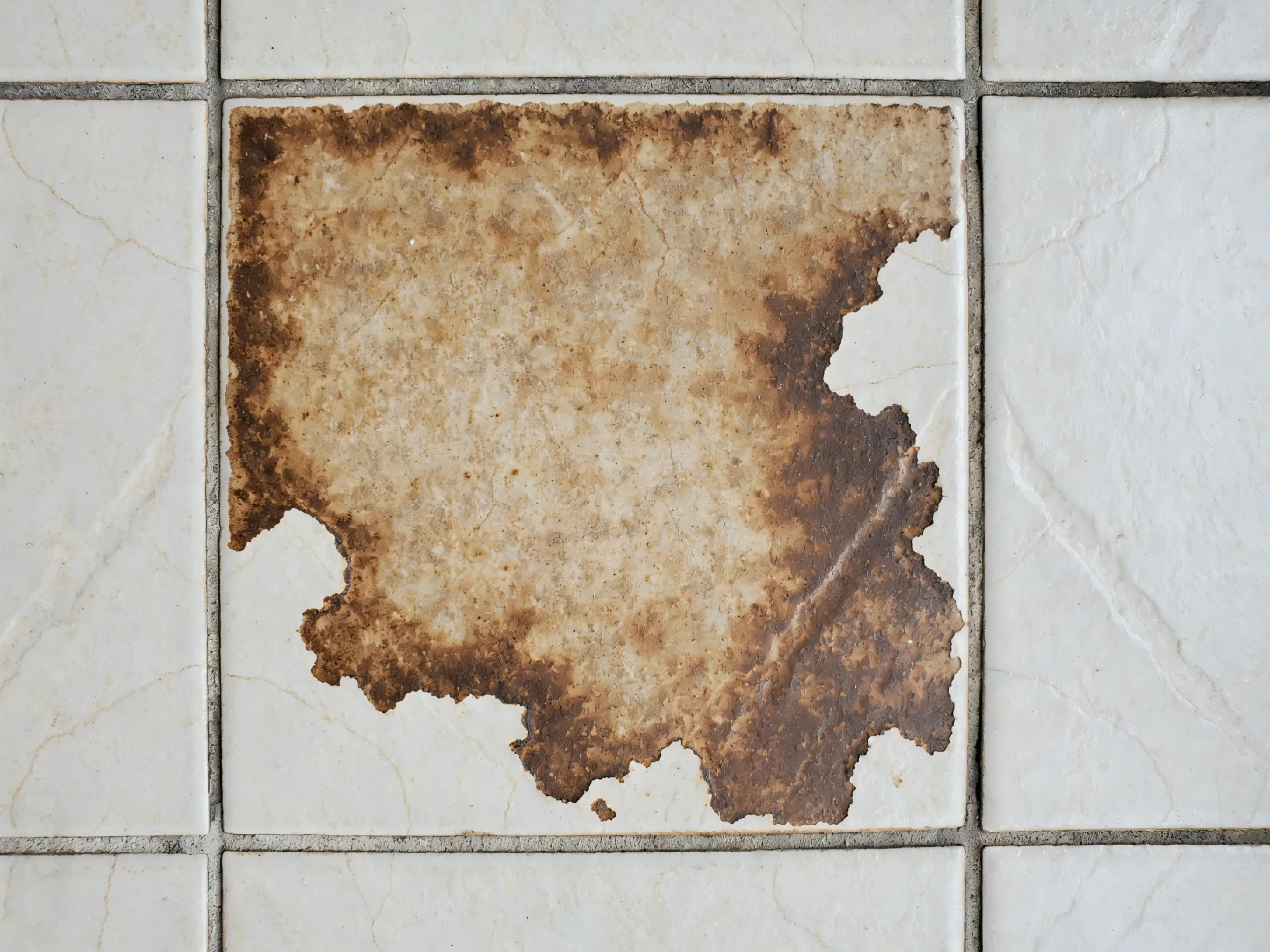
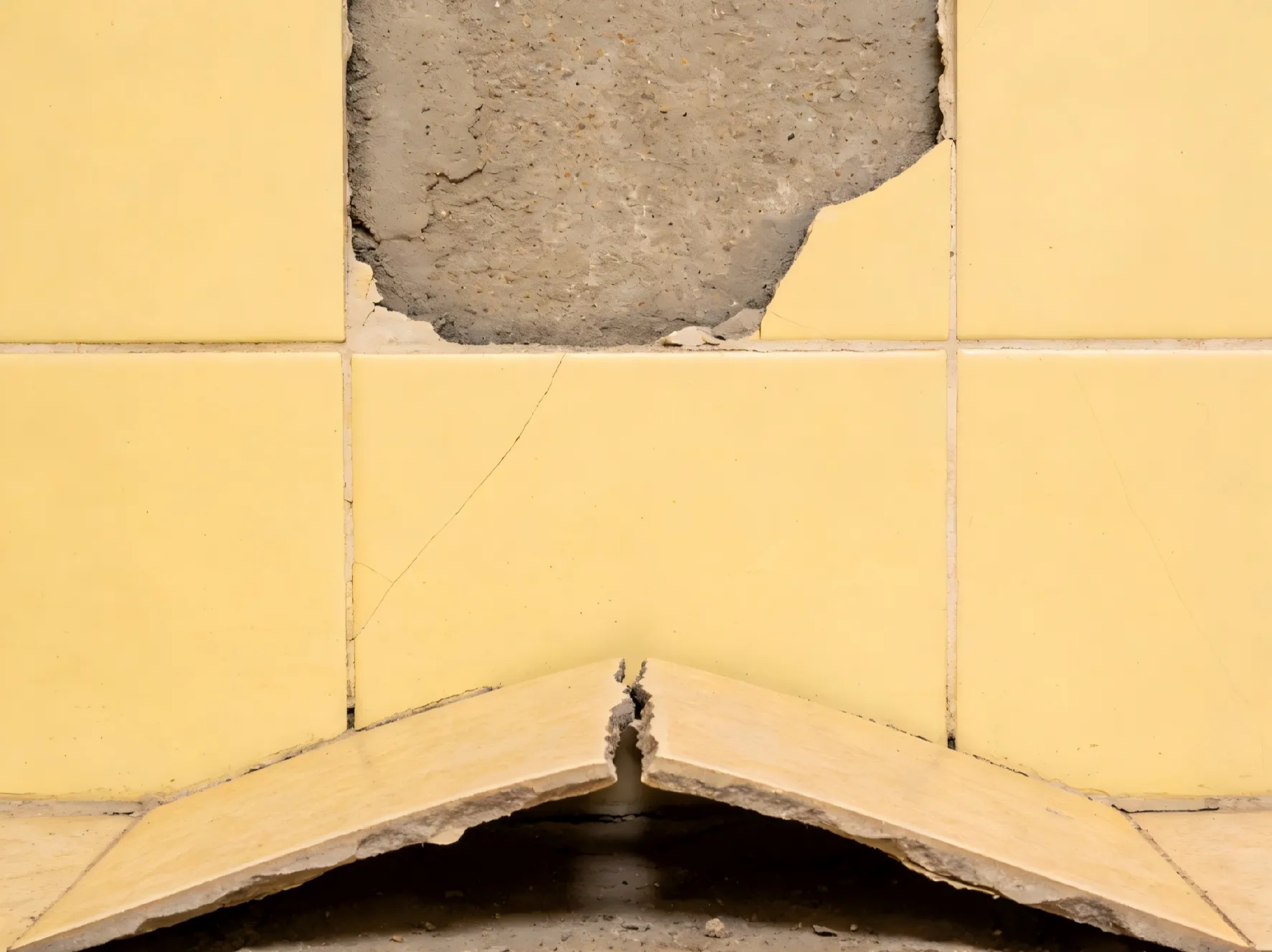
These supporting visuals reinforce the installation issue and prevention guidance covered above.